Lena C.
Resident Encounters (preliminary research)
2025 Cross-TIC Research Trajectory, Enschede, NL
Research-based artistic process, documentation & installation prototype
↓Scroll down for the research notes
Resident Encounters is a process-driven research project developed during the Cross-TIC trajectory. It investigates the interactions and territorial negotiations between human and non-human residents in the backyard of a shared house. The work explores how human presence, routines, environment and the growth of the backyard weeds have influences on each other.
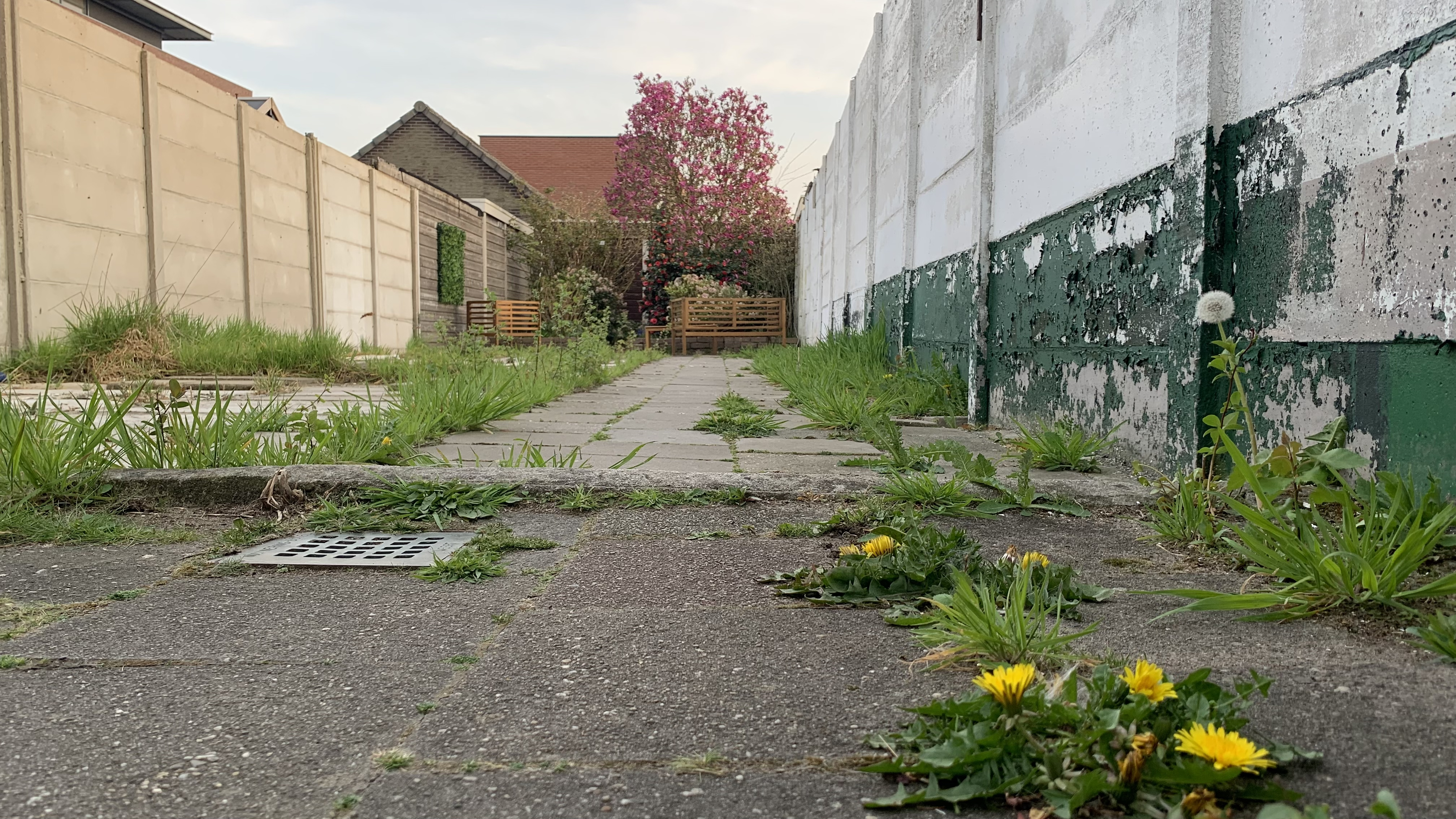
The project is based on my current experience of living in a house with a backyard after years of apartment life. Since one summer, my landlord removed an old shed in our backyard, weeds began to take over the exposed soil and it became a tough task for my housemate and me, as someone who is not familiar with gardening at all. In these ‘territorial disputes’, I noticed their growth patterns seem to mirror ours, they avoid where we often walk and take overcorners we rarely touch. There is a negotiation happening between us and the weeds. It stimulates me with questions about the interaction between human and non-human worlds. Are we competing or coexisting? How are we influencing each other?
The project adopted an artistic, reflective methodology, combining ambient field recordings, video documentation, and small-scale sensor experiments. Through these methods, the project raised questions about control, coexistence, and the invisibility of slow ecological rhythms in daily life.
The staged outcome of this project in the trajectory includes a prototype installation that manipulated a granular synth patch with field recording audio and documented videos in response to movement calculated by light exposure, which reflects on mutual influence. The process shifted from interpreting data to documenting entanglements, and offered a grounding for future work in sensory engagement in artistic practice.
Project mentor: Jacco Borggreve
Consultants: Spela Petric, Francesco Nacchia
Additional support: Nicolas Toussaint
The preliminary research of this project was supported by Cross-TIC.

Research notes
- last update: Dec 2025-
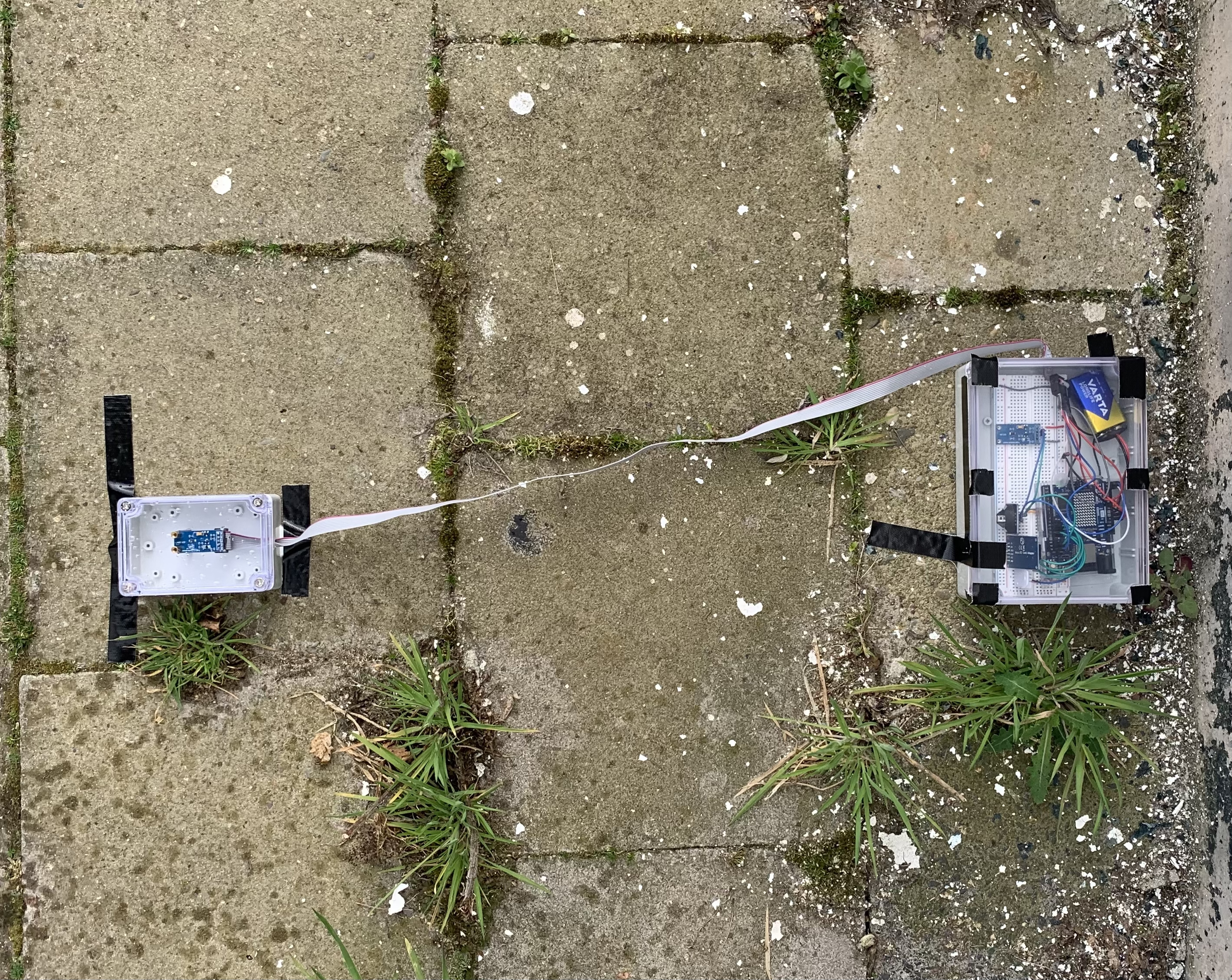
At the beginning of the trajectory, I wanted to understand why the grass in the backyard behaved in this way and whether I could translate this relationship into sound and interactive media. I started developing an environmental and bio data-collecting device for the backyard, to compare areas we walked through a lot with areas we almost never touched, and to see if this could be used for sonification.However, after a consultation with one of the experts, Špela Petrič, my focus got back toward the relationship itself and my position as an artist rather than a scientist. Instead of only asking what the data could tell me, I started to ask: What are the reasons we get involved with each other at all? When does a relation between residents (human and non-human) actually start?
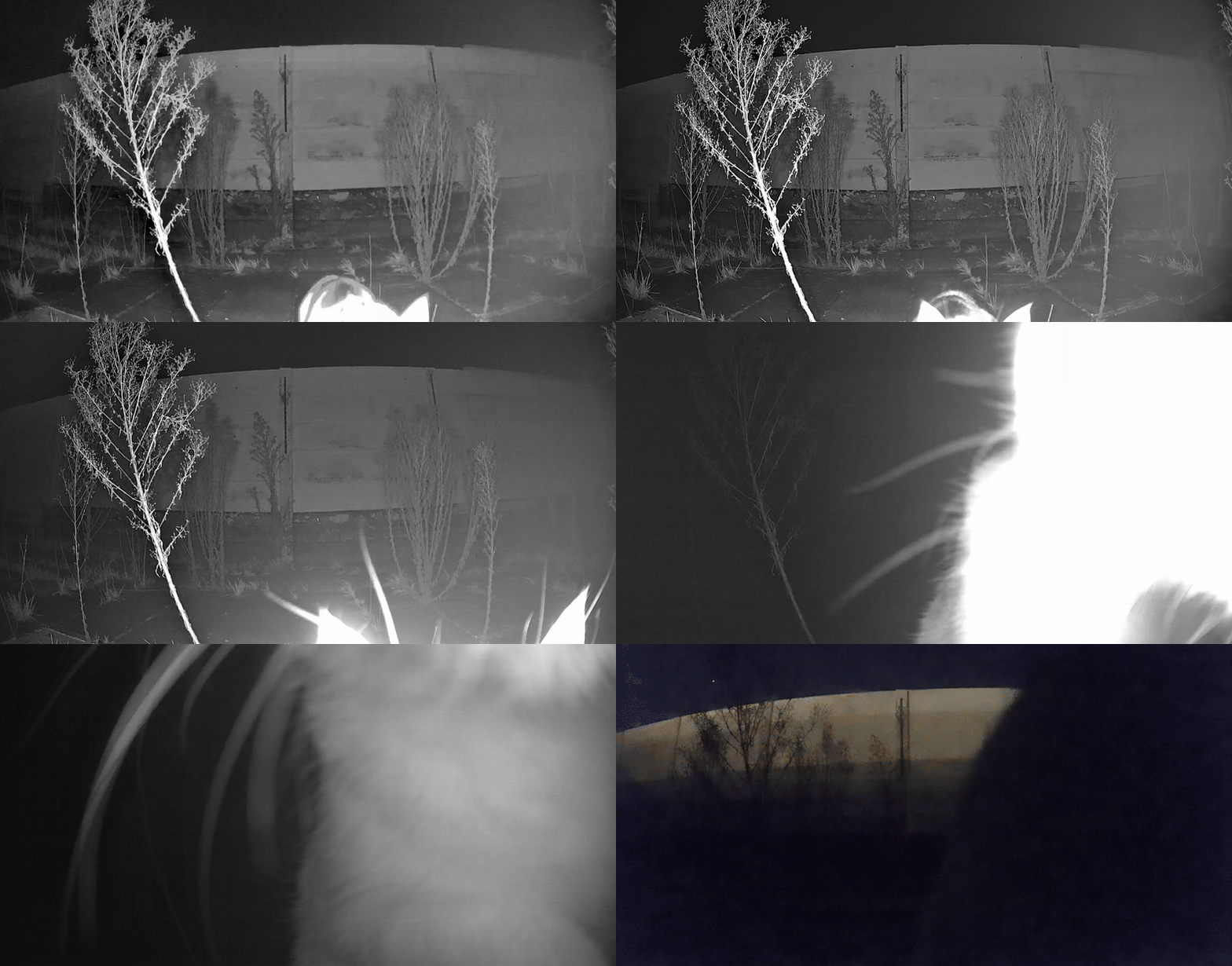
From there, I began doing simple video and audio documentation with a small security camera in the backyard, observing how all the residents, including me, my housemate, and her two cats, move through this space in daily life. Most of our passages were very functional, such as taking out trash, picking up bikes, and occasionally stepping out for a bit of fresh air. Over time, the grass and weeds also changed our steps: as some areas became denser, we unconsciously rerouted and walked around them. Some plants withered or were accidentally broken by us; they were also changing in the meantime because of the weather. After the trajectory, when the season changed, new kinds of plants appeared that had not been there the year before.
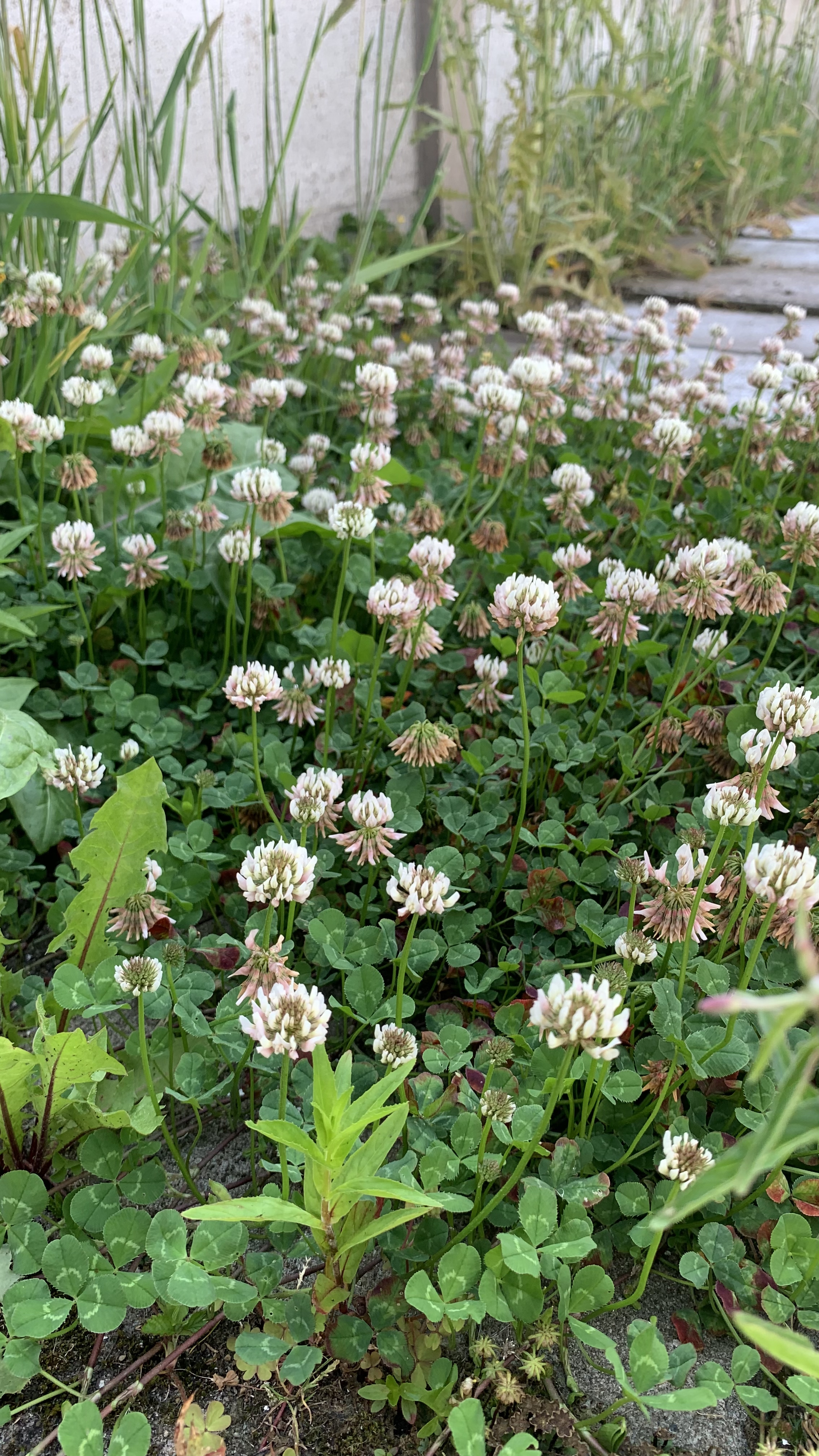
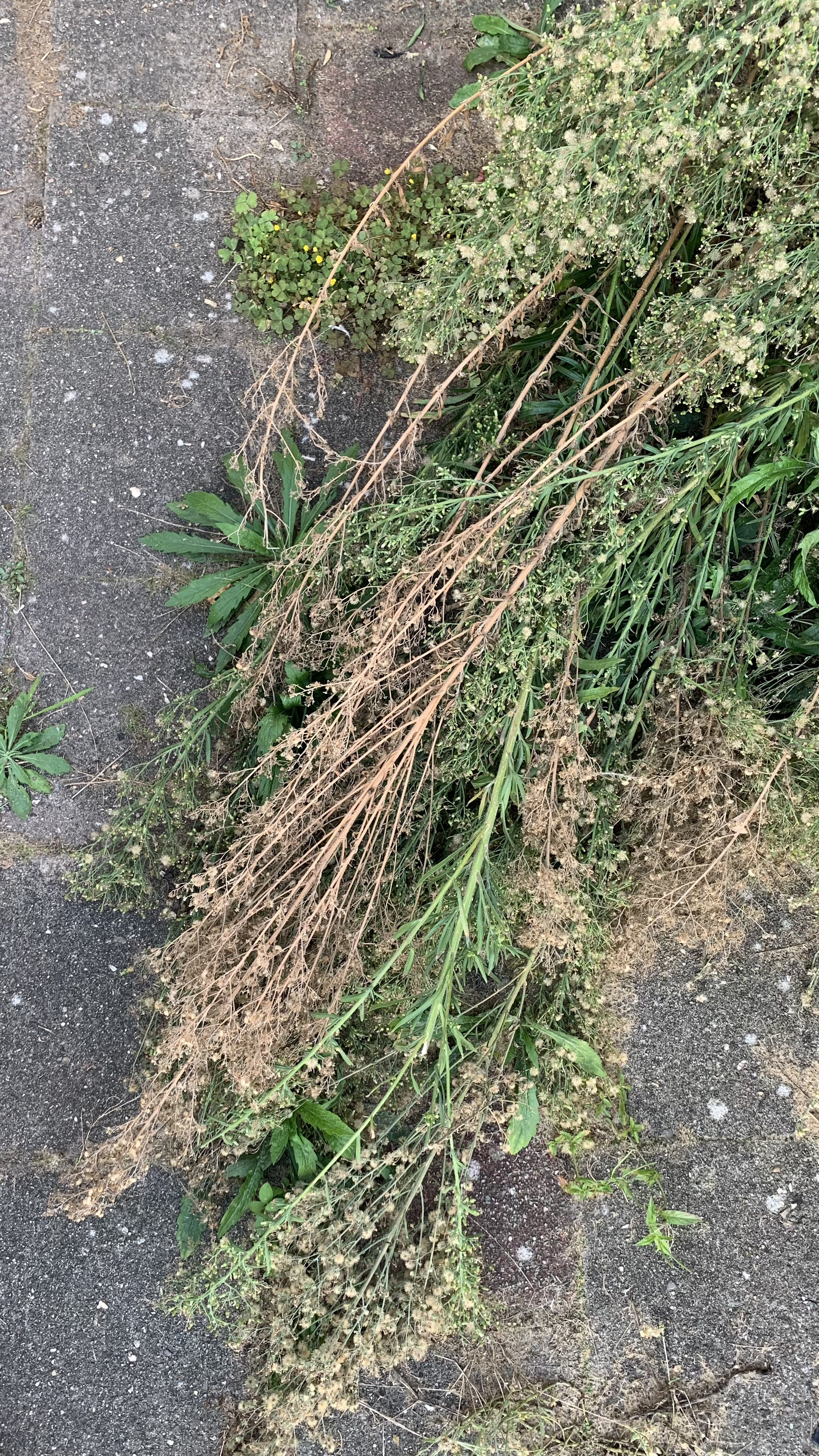
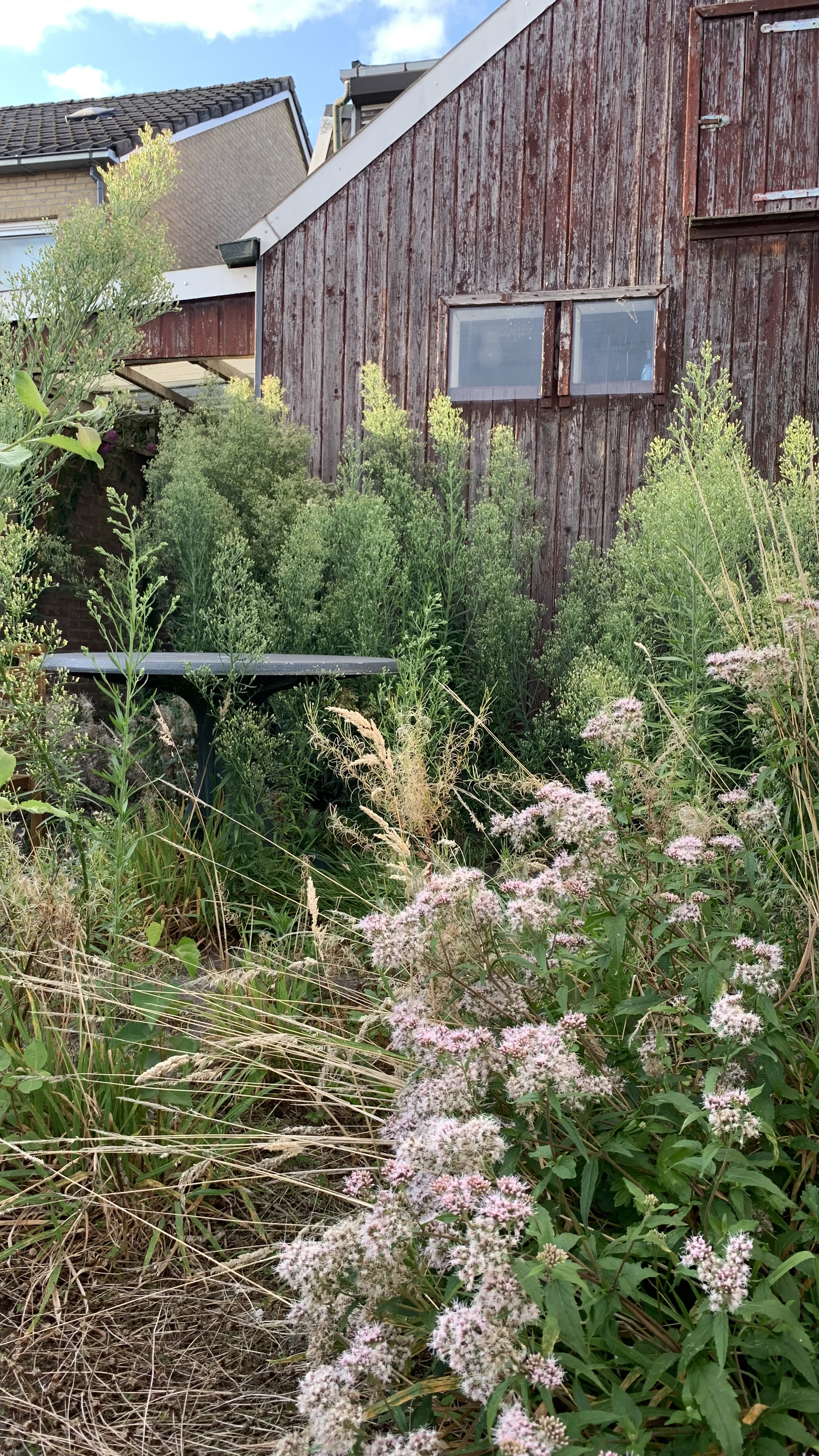
Another interesting thing to mention is that the act of documentation itself also became part of the research. One of the cats immediately noticed the camera as a new object and kept staring at and smelling it. In the beginning, my housemate and I were also aware of being recorded; we occasionally looked at the camera when we passed by(it is not shown in the video because of privacy). But there was no obvious, visible reaction from the plants(of course), which raised questions about who is affected, who is simply being watched, and what kind of power relations exist in such an ordinary backyard.
In this trajectory, my development brought up more questions than answers, for example:
In this trajectory, my development brought up more questions than answers, for example:
- When does a relationship between residents (human and non-human) actually start?
- How does the act of documenting already change our behaviour and attention?
- Why do I only ask for consent from human housemates, while plants and animals are automatically included?
Eventually, through the documentation, the sound from the neighbourhood also became part of this coexistence: neighbours’ kids playing, speaking voices, wind, cars passing around the house, etc. Each recording moment is like a slice of this system.
All of these observations have helped contribute more concrete ideas for the future installation I’ve been planning, to embody the process of how grasses might appear, spread or retreat in sound, and how visitors’ movements could become part of this ongoing negotiation of space.